Sprinkler basics for a dry climate: zones, heads, freeze prep
In eastern Washington, a good sprinkler system is about putting the right amount of water in the right place and getting it out of the pipes before winter.
October 8, 2026 · 4 min read
Why zoning matters more than the heads
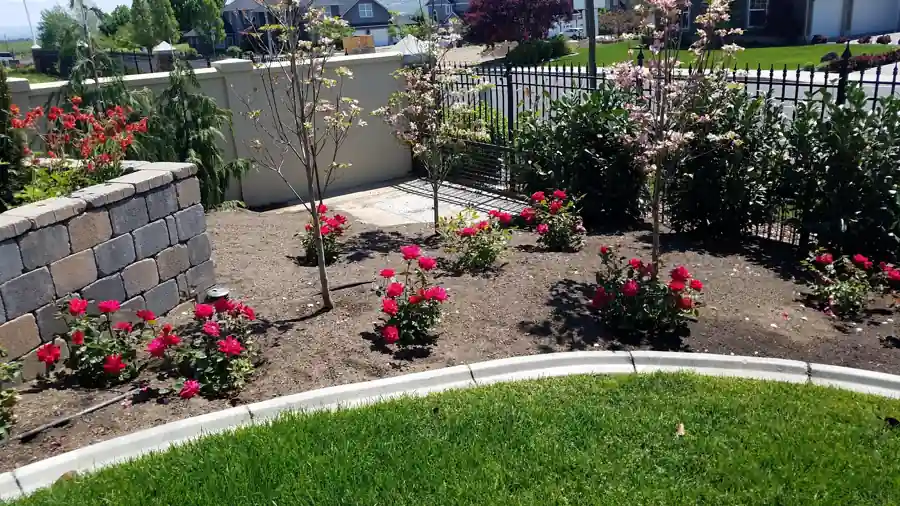
Most sprinkler problems aren't about the hardware. They're about lumping everything into one zone. A lawn in full afternoon sun, a rose bed on the east side of the house and a row of shrubs under a tree don't need the same amount of water, and a single timer can't please all of them. Good zoning gives each area its own valve and its own run time, so the thirsty parts get what they need and the rest don't drown.
In a dry climate that difference shows up fast. Summer days are hot, humidity is low, and wind pulls moisture out of leaves and soil. A well-zoned system lets you water deeply where it counts and back off where it doesn't, instead of splitting the difference and getting brown lawn next to soggy beds.
Zone by sun and by plant type
Start with sun. South and west exposures dry out faster than north and east. Slopes shed water, so the top of a grade often needs a different schedule than the bottom. Then separate by plant type: turf gets its own zone, shrubs and perennials get another, and trees and anything newly planted often need their own. Mixing turf and shrubs on one valve is the most common design mistake, because lawn wants frequent shallow water and shrubs want deeper, less frequent soaking.
Walk the yard before the layout is drawn. Notice where the sun hits at three in the afternoon, where water already pools, and where it never seems to reach. Those observations are worth more than any default plan, and a good installer will ask for them.
Spray heads, rotors and drip
Different heads suit different jobs. Spray heads cover small and odd-shaped lawn areas with a fast, fine pattern. Rotors throw a stream farther and slower, which suits bigger open lawns and cuts down on wind drift. Drip lines and emitters deliver water straight to roots, which is the efficient choice for beds, shrubs and trees in a dry, windy climate where overhead spray evaporates before it soaks in.
- Lawn: spray heads for small or irregular areas, rotors for large open areas, never mixed on the same valve.
- Shrubs, roses and perennials: drip lines or emitters, placed where the roots will be at full size.
- Trees: a ring of drip or bubblers out near the drip line, expanded as the tree grows.
- Narrow strips and tight corners: low-precipitation heads or drip, so water stays off pavement and fences.
- Anywhere near a curb or walkway: heads set to clear the edge and aimed inward.
Spring start-up
Start-up is a slow, deliberate job, not a flip of the switch. Open the main valve gradually so pressure doesn't slam the pipes. Run each zone by hand and watch every head: look for ones that are clogged, tilted, buried in grass, or spraying the wrong way. Check for soggy spots that suggest a broken line or a leaking fitting. Replace worn nozzles and re-aim anything that's watering the sidewalk.
Then set the controller for the season. Water early in the morning, when it's calm and cool, so more of it soaks in and less blows away. Longer, less frequent cycles encourage deeper roots than short daily sprinkles. Adjust through the summer as heat builds, and cut back in cooler stretches. A rain sensor or a quick check of the forecast keeps the system from running during a storm.
Fall blow-out before the first hard freeze
Water left in pipes, valves and heads expands when it freezes and cracks things. In the Yakima Valley the first hard freeze can arrive sooner than the calendar suggests, so don't wait for a forecast that says it's coming tonight. Schedule the blow-out once nights start dropping toward freezing.
The process shuts off the water supply, opens drain points, and uses an air compressor to push remaining water out of each zone in turn. It needs the right volume of air at a safe pressure, because too much can damage heads and fittings, and it's the reason many homeowners hire this out. Exposed pipe and any above-ground valve assembly should also be insulated or covered. Turn the controller to its rain or off setting afterward so it doesn't try to run on an empty system.
A short seasonal routine
- Spring: open the main slowly, run every zone, fix and re-aim heads, set the schedule.
- Early summer: check coverage again once the lawn and plants are growing hard.
- Midsummer: look for dry spots, which usually mean a clogged head or a zone that needs more time.
- Fall: cut back run times, then schedule the blow-out before the first hard freeze.
- After the blow-out: leave the controller off or on rain mode until spring.
Getting it designed and maintained
OMG Landscaping & Design handles sprinkler system installation, and customer Jennifer Clampitt mentioned relying on them for sprinkler system installation and maintenance. When the sprinkler layout is planned alongside the beds, curbs and patios, the pipes go in before the hardscape instead of getting cut into it later.
For a new system or a tune-up in Yakima, Selah or the surrounding valley, call (509) 307-8268 or use the contact page.
OMG Landscaping & Design LLC, (509) 307-8268
Call (509) 307-8268More articles
Concrete landscape curbing: what to decide before the pour
A poured curb is one of the few yard upgrades that makes weekly chores easier, but only if the layout suits your mower.
Planning a paver patio or fire-pit patio that stays level
A patio that looks great in year one and still looks great in year ten is mostly a story about what's underneath it.